Brainspotting Therapy
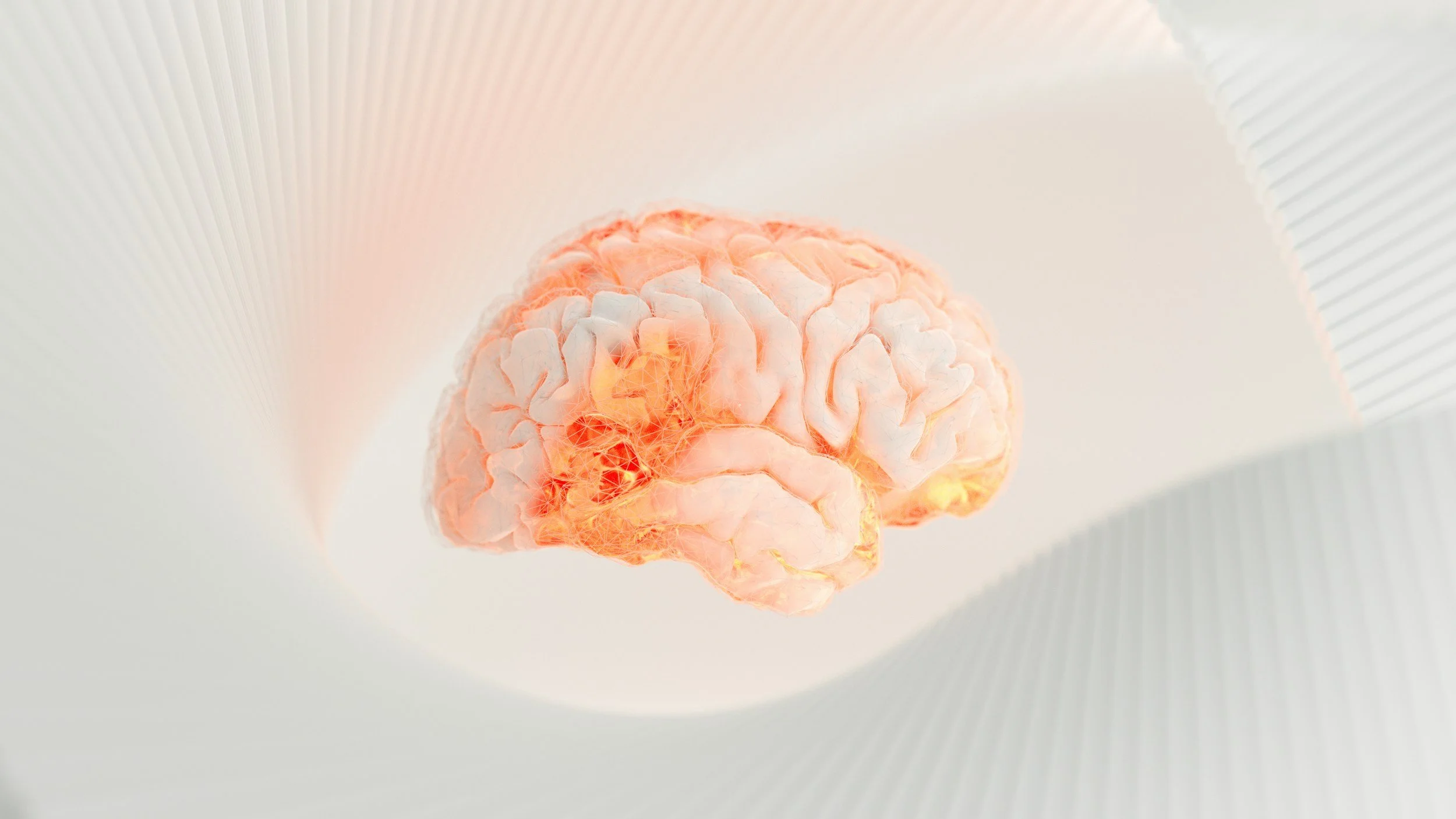
A gentle, body-based approach to processing trauma, stress, and emotional experiences at your own pace.
Brainspotting is a trauma-informed therapy that helps the brain and body process what may be difficult to reach through words alone.
It’s a collaborative, attuned approach that supports your nervous system in doing what it already knows how to do: heal, regulate, and integrate.
What is Brainspotting?
Brainspotting is a bottom-up therapy approach that works with both the mind and body.
Instead of focusing only on talking and insight, we also pay attention to what is happening in your nervous system—your emotions, sensations, and internal experience.
The idea is that where you look can connect to how you feel. By noticing eye position alongside your internal experience, we can access deeper parts of the brain where emotional and survival responses are stored.
This allows processing to happen in a way that is often more felt than analyzed.
What a Session Looks Like
A Brainspotting session begins with something you want to focus on—this could be a feeling, memory, sensation, or current challenge.
From there, we slow down and begin tracking what you notice internally.
Sometimes we use a pointer to help locate an eye position connected to your experience. Other times, we simply follow what naturally emerges with your gaze and internal awareness.
Once we find a “brainspot,” we pause there and allow your nervous system to lead the process.
Sessions may include talking, silence, emotional processing, body sensations, or simply noticing what arises.
I stay attuned with you throughout so we can move at a pace that feels safe and supportive.
What You Might Experience
Every person’s experience is different.
Some people notice emotional release, shifts in body sensations, clarity, or relief. Others may experience subtle internal movement or very little during session while processing continues afterward.
You may also notice natural nervous system responses such as yawning, sighing, warmth, tears, shaking, or changes in tension. These are often signs of your system processing and releasing activation.
There is no right or wrong experience.
Who Brainspotting Can Support
Brainspotting may be helpful if you are experiencing:
Anxiety or chronic stress
Trauma or unresolved emotional experiences
Nervous system dysregulation
Grief or loss
Feeling “stuck” in patterns you can’t think your way out of
Emotional overwhelm or shutdown
Somatic or body-based symptoms of stress
Curious if Brainspotting is right for you?
If you’re drawn to a slower, body-based, and attuned approach to healing, Brainspotting may be a supportive option.
We can talk together about whether it feels like a good fit for where you are right now.